
The Most Natural of Events
By Katherine Hisako Glascock
[Katherine Hisako Fukami Glascock (August 31, 1940-October 15, 2017) was a musician, artist, and was best known as a landscape designer. She was married to Baylis Glascock, who we have featured previously on this website, for more than 50 years. In a May 22, 2003, article on her work in the Los Angeles Times, the paper’s garden specialist Emily Green wrote:
[“Katherine Glascock creates gardens that express the true nature of the land and the people who live there. No two are alike, but all bring together strength and elegance.”
[Baylis has made available to us several samples of Katherine’s writing. The first, “Finding Bambi,” written in the late 1990s, we featured in our October 1, 2018, postings.]
* * *
There is no reason on earth when love comes. It just does and it seems the most natural of events.
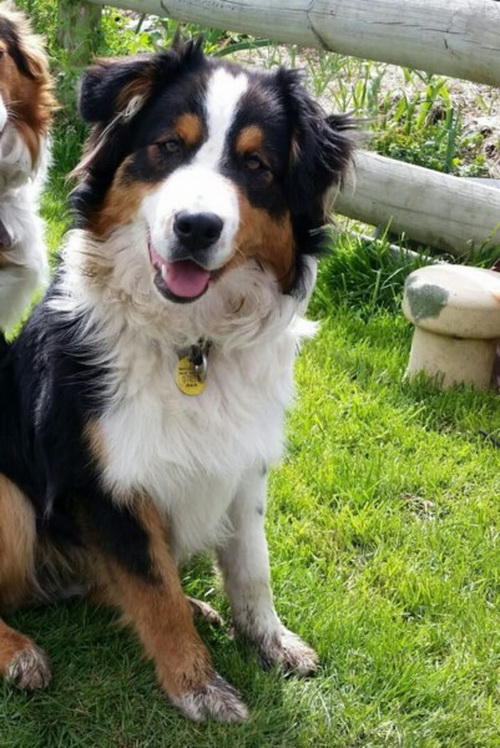
The messages were accumulating on the phone machine. I tried calling back my longtime friend with no success – leaving a chain of more messages. Late one evening I sat sewing on a dress for my daughter when an image of a dog appeared before me. It was clear while brief: black and brown with a white diamond shape on its chest, looking at me with brown eyes filled with canine wisdom.
Finally connecting by phone Jan said: “There is now in my house a very sweet dog who came to me during my usual walk with Petey and Rupert through the neighborhood. Nobody knows her; I asked around. She just crept out on her belly from under the bushes to me, sitting up asking to be taken home. What else could I do? She’s very quiet but terribly afraid of men. Has on a very heavy collar; probably was mistreated.” Read more

Eulogy for Lionel Rolfe
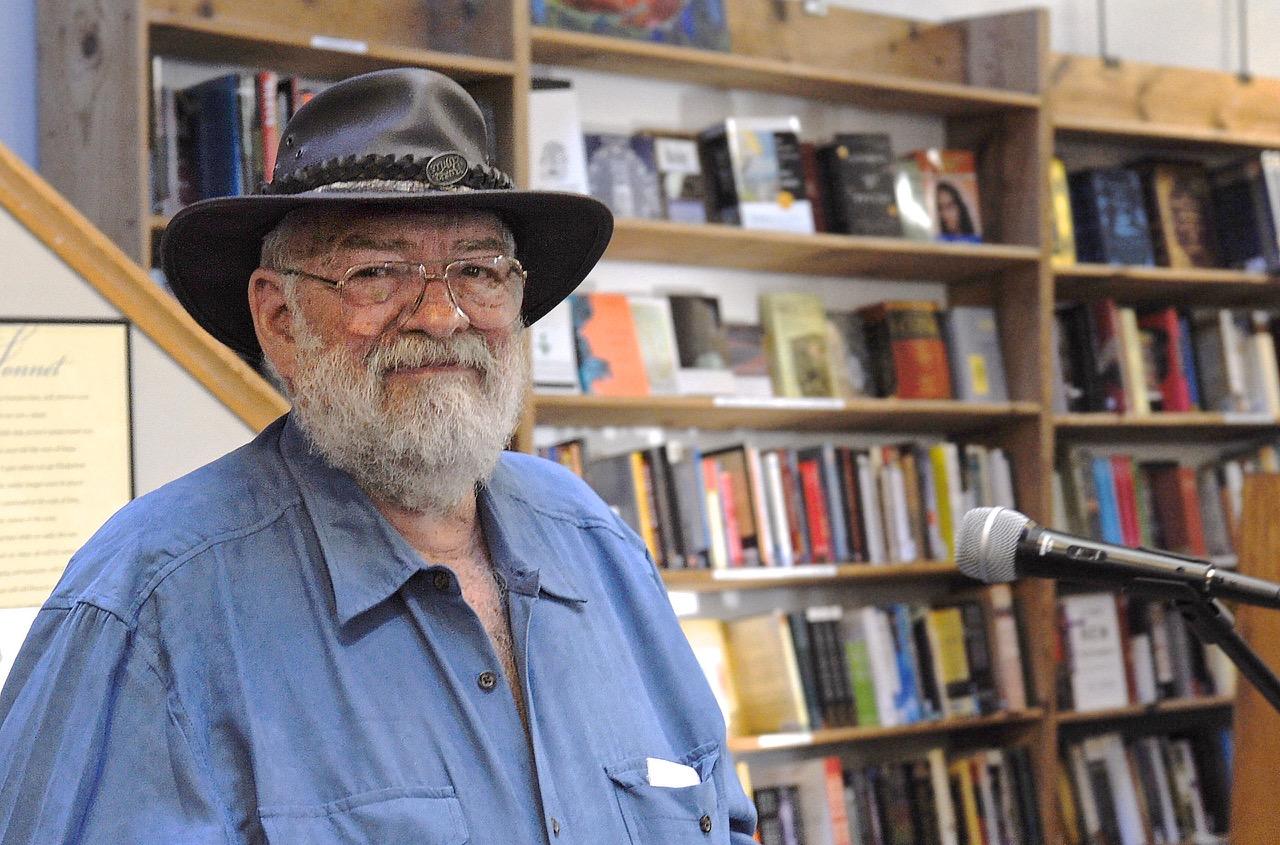
Lionel Rolfe, photo by Bonnie Perkinson.
By Lee Boek
[Lee Boek is the Artistic Director of the Public Works Improvisational Theater Company. He is a former Fundamentalist Evangelist preacher, radio host, actor in film and television, writer, and producer. He is a long-time resident of Silverlake.]
* * *

Lee Boek
Lionel Menuhin Rolfe was born on Oct. 21, 1942, in Medford, Oregon, and died of a heart attack, apparently in his sleep, after a long illness, on November 6, 2018, in Glendale, California, at the age of 76.
We, who loved him, have grieved a lot already and will grieve more. His daughters will miss their Dad. His friends will wonder what Lionel would have said about this or that, or remember what he did say, or just plain wish we could hear him say more in his own inimitable style.
This begins then to speak of the celebration of his life; his writing, his wit and enjoyment of music, literature, history, glaciers and many other topics upon which he was well informed. He loved to tell and to hear a good story, and he loved the brisket sandwich at Tam O’Shanter.
He had a way with words and an ability to put just what he thought and how he looked at things to words. He loved those words and their powers and abilities and crafted much of his life and work accordingly. He was a prolific writer, who wrote and co-wrote and republished 14 books and numerous articles, reporting what he saw and how he saw it from his own unique perspective as a journalist who’d been writing since he left his father’s home at the age of sixteen and took up life in the coffeehouses of Los Angeles in the early sixties. Read more
Obituary for Lionel Rolfe

Lionel Frederick Menuhin Rolfe. Photo by Bonnie Perkinson.
[The following is by Hyla Douglas, Lionel Rolfe’s daugher.]
Hyla Douglas
Lionel Menuhin Rolfe died on November 6, 2018, at the age of 76, in the Glendale Healthcare Center, in Glendale, California, where he had resided off and on since April, after a stroke three years prior and followed by a long illness. He died in his sleep, of a heart attack.
Lionel was born on October 21, 1942, in Medford, Oregon, where his father, Benjamin Rolfe, was stationed during WWII. His mother was Yaltah Menuhin, one of the three Menuhin child prodigies who became world famous musicians, especially Lionel’s uncle, famed violinist Yehudi Menuhin.
Lionel had such a powerful musical heritage that he was somewhat expected to be a musician as well. However, after a recital in which he didn’t feel satisfied with his performance he withdrew himself from that pursuit and eventually became a journalist, writer and literary figure of some note for the rest of his days. He was always a music lover with very specific opinions about music and a well-educated ear. Read more
Lionel Frederick Menuhin Rolfe, October 21, 1942-November 6, 2018

Lionel, when I first met him.
Leslie Evans
Veteran journalist, author, publisher, and founder of Boryanabooks, Lionel Frederick Menuhin Rolfe died November 6 after a long illness. He was seventy-six.
I first met Lionel in 1958, in Mary Snyder’s debate class at Los Angeles High School. I was sixteen and he was a month short of that. Lionel was already then an iconoclast, an icon breaker. He was Jewish, but an outspoken atheist. His sharp tongue frequently got him in trouble. He was a precocious political radical, his conversation sprinkled with to me uncommon terms like “reactionary,” “fascist,” and “progressive.”
We both did well with dramatic readings, but less so in actual debates – that required serious research. We signed up as a team. Our one memorable debate was on the mind-deadening topic, “Is the British educational system superior to the American?” Something we knew nothing about. The rules were that there would be two rounds, where we had to argue on each side of the question.
Our opponents were two neat looking nerds in suits, carrying a long box of index cards, showing they were prepared to annihilate us, which they promptly did.
During the following break Lionel and I were sitting a bit downcast when he brightened up. “What kind of stuff would we need to win this thing?” he asked. “Let’s just make it up!” We quickly wrote down some imposing statistics and an imaginary quote from Admiral Hyman Rickover, a prominent advocate of improving American education. We won the second round handily. Read more
Remembering Lionel Rolfe who carried the Torch for Writers and for a Bulgarian Woman named Boryana

Boryana, Lionel, and Nigey during visit to New York by Lionel and Boryana in 2009. Photo by Eric Weaver, who married Nigey in 1997 and lived with her until her death in 2016.
By Mary Reinholz
Looking back on the journey of Lionel Rolfe, my late Los Angeles friend and late life mentor, I think of a gentle lion in winter who had been an author, journalist and fighter for social justice since adolescence. A member of a famous musical family (his uncle was the late violin virtuoso Yehudi Menuhin), he succumbed at 76 to the tumult that ravaged his body in recent years.
The bearded bohemian Rolfe, who was overweight, thrice divorced and the father of two daughters from his first marriage, had suffered a stroke in 2015 while on the job as a police reporter at City News Service (CNS). He retired after 20 years with the 24-hour wire service, later injuring two vertebrae during a fall in his Atwater Village home. He was unable to walk.
“Basically, I’m strapped to the bed and being fed antibiotics,” Lionel told me when I interviewed him on the phone at a Glendale nursing home for Pasadena Weekly “They got me to stand up today, but it was very hard.”
He had also been given morphine to relieve excruciating pain. He died Nov. 6.
Months earlier, his lawyer William Toppi pursued a California Workers Compensation claim for $100,000 against CNS, telling me that Lionel’s boss had contributed to his stroke by berating his work and putting pressure on him to retire. (The boss strongly disputed the allegations). Toppi said CNS had offered $50,000 to resolve the matter which was fine by Lionel. “I want to leave something for my daughters,” he said. Read more
From Bob Vickrey
Lionel was what many of us in the book trade often referred to as a true “bookman”– ONE word please!– a writer or book lover who was truly committed to the written word. That reference was used sparingly by most of us because we have only been privileged to meet a handful of them in our lifetime.
For me personally, Lionel was in the exclusive company of Dave Dutton, of Dutton’s Books in North Hollywood, and Norman Berg, a Southern book rep from Atlanta who counseled authors like Margaret Mitchell and Marjorie Kinnan Rawlings.
I consider myself lucky to have been included among the distinguished contributors for Boryana Books for the last decade. I would hope we could somehow continue Lionel’s legacy with this website, but certainly understand the difficult logistics in doing so.
Rest in Peace, my friend.
Bob Vickrey
Bob Vickrey, a regular contributor to Boryanabooks.com, is a longtime Palisadian whose columns appear in several Southwestern newspapers including the Houston Chronicle and is a member of the Board of Contributors for the Waco Tribune-Herald. His “lunch club” series ran for almost four years in the Palisades News.
Photos of Lionel and the Menuhins

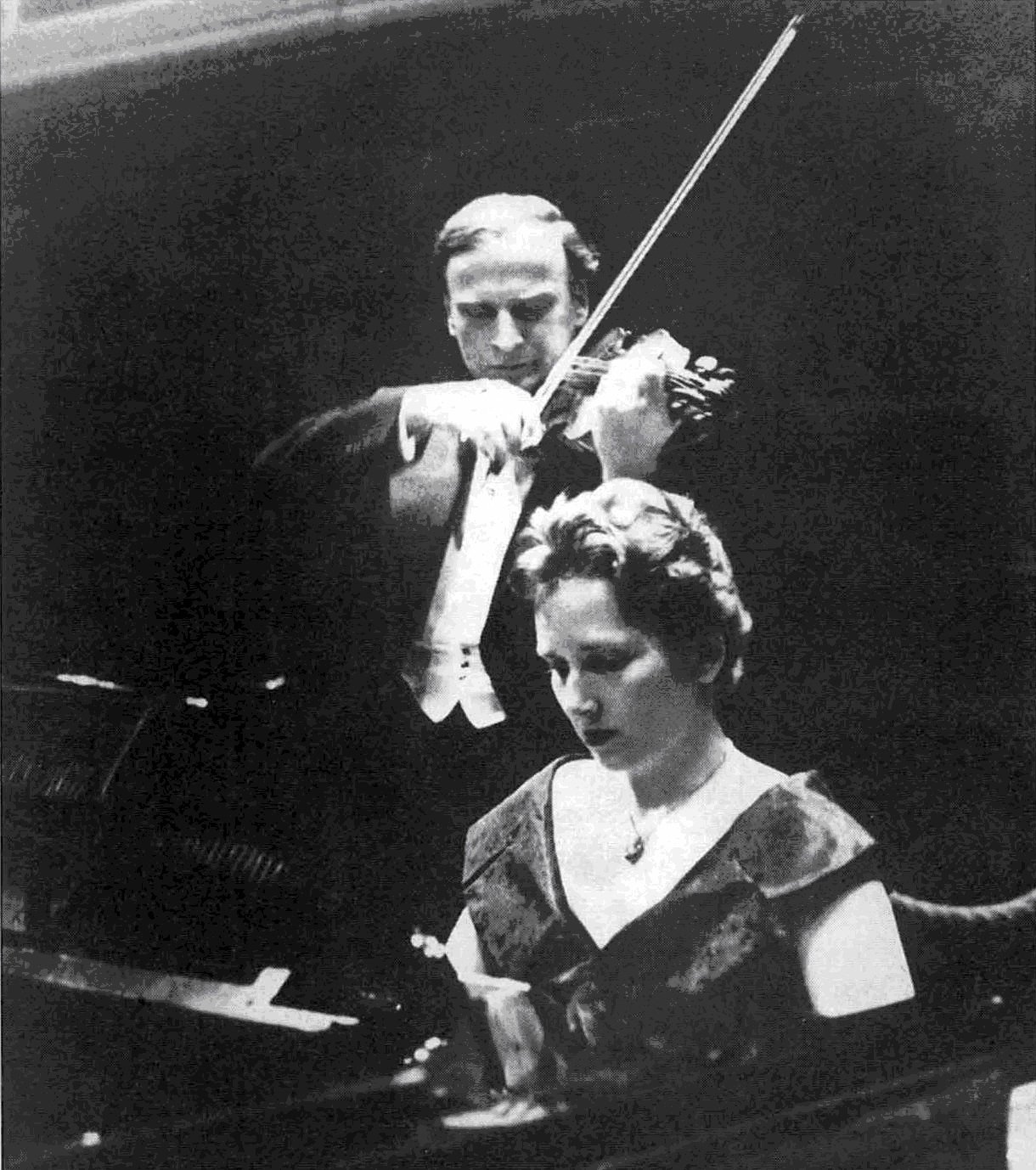
Yehudi ahd Hephzibah Menuhin

Lionel’s parents, Benjamin Rolfe and Yaltah Menuhin with him as a baby.
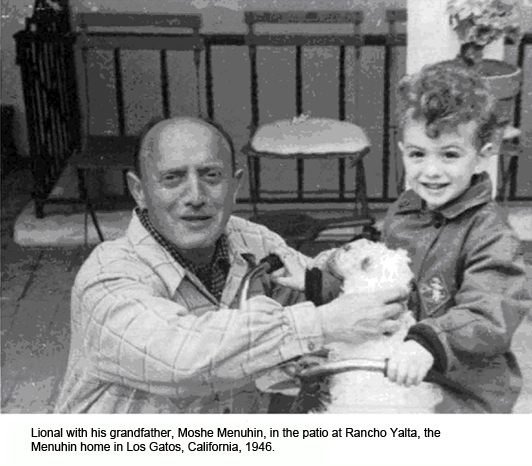

Lionel at 13.


Lionel and Nigey Lennon
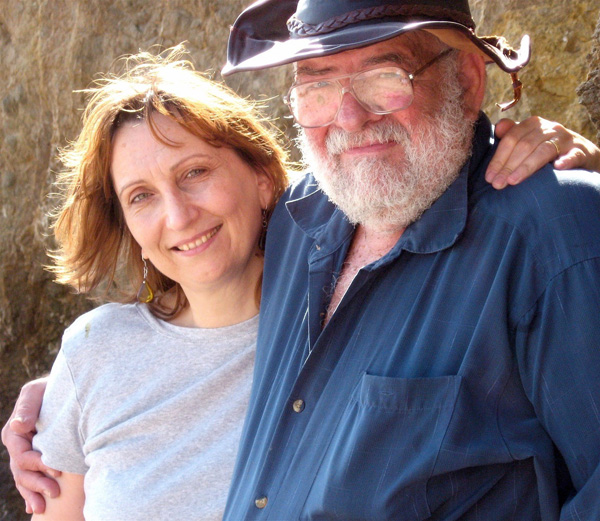
Lionel and Boryana Vladeva.
Lionel’s Books
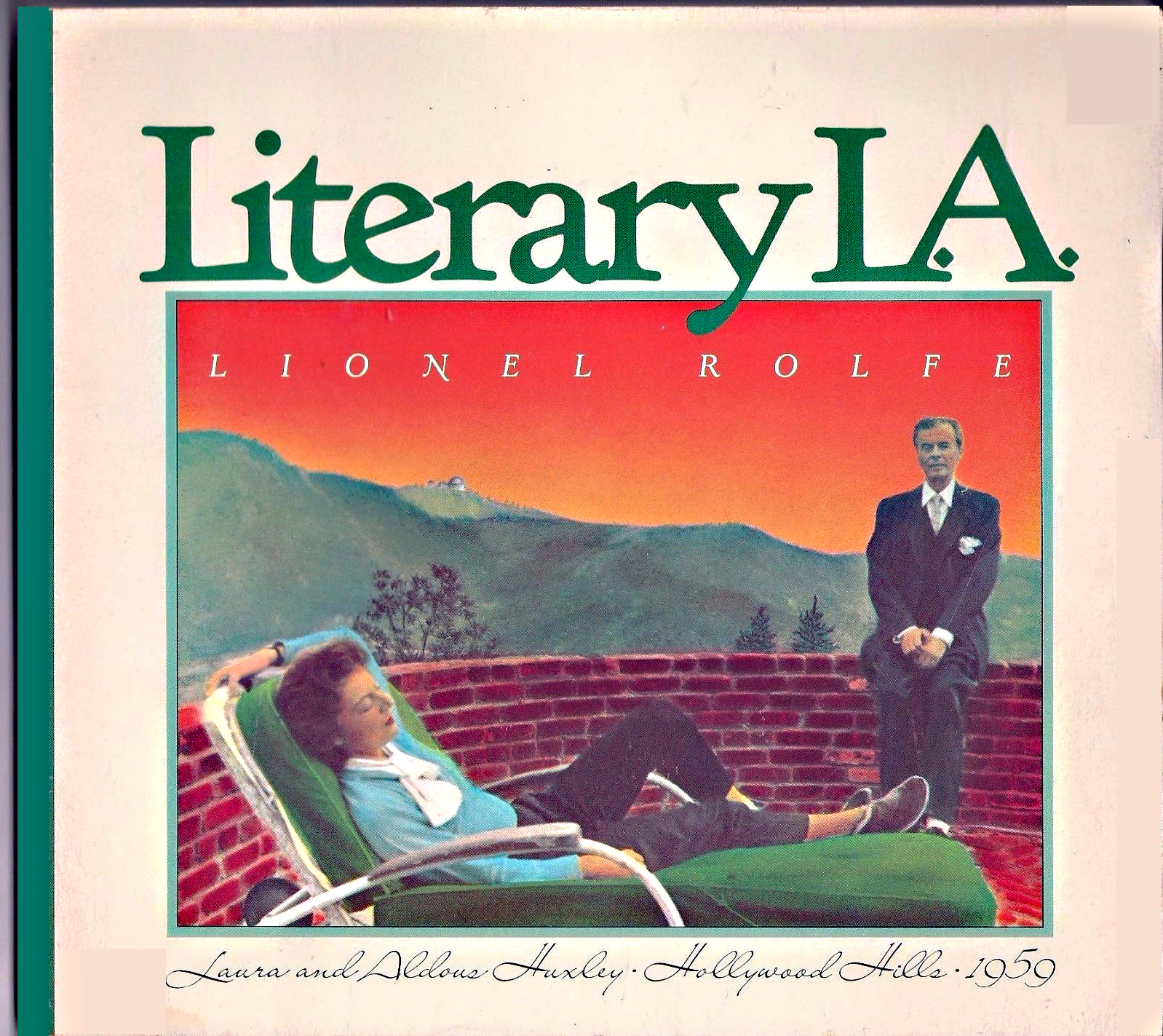
First edition of Literary L.A., 1981. The later editions have important expanded content.
Most are available from Amazon
Nature’s Twelve Magic Healers: Amazing Secrets of Cell Salts (with Nigey Lennon, 1978, Prentice Hall)
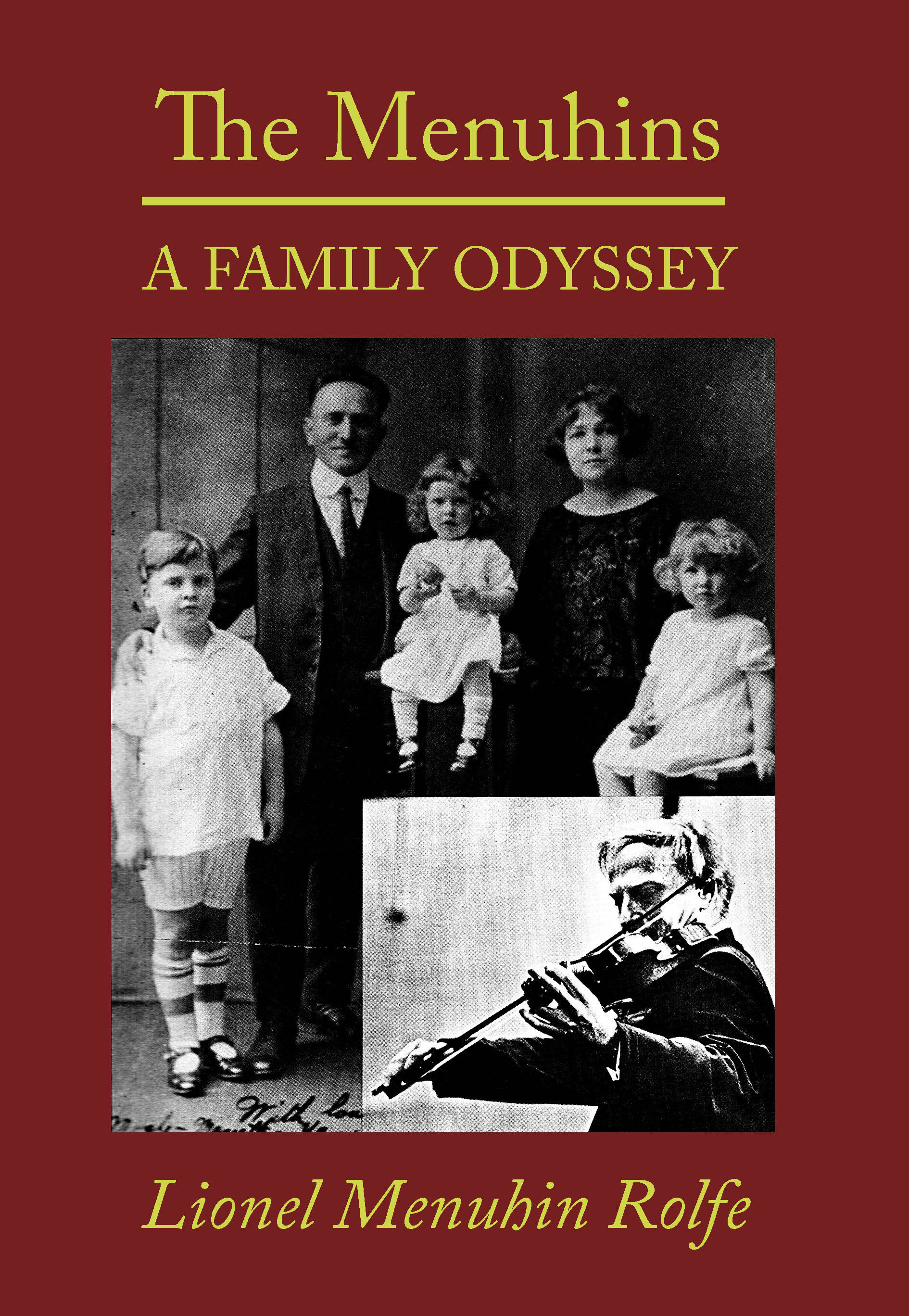
The Menuhins: A Family Odyssey (1978, Panjandrum; 2014, Boryanabooks)
The Heal Yourself Home Handbook of Unusual Remedies (1983, Prentice Hall Direct)
Last Train North (1987, Panjandrum)
In Search of Literary L.A. (1991, revised in 2002 as just Literary L.A., California Classics)
Bread and Hyacinths: The rise and Fall of Utopian Los Angeles (with Nigey Lennon and Paul Greenstein, 1992, California Classics)
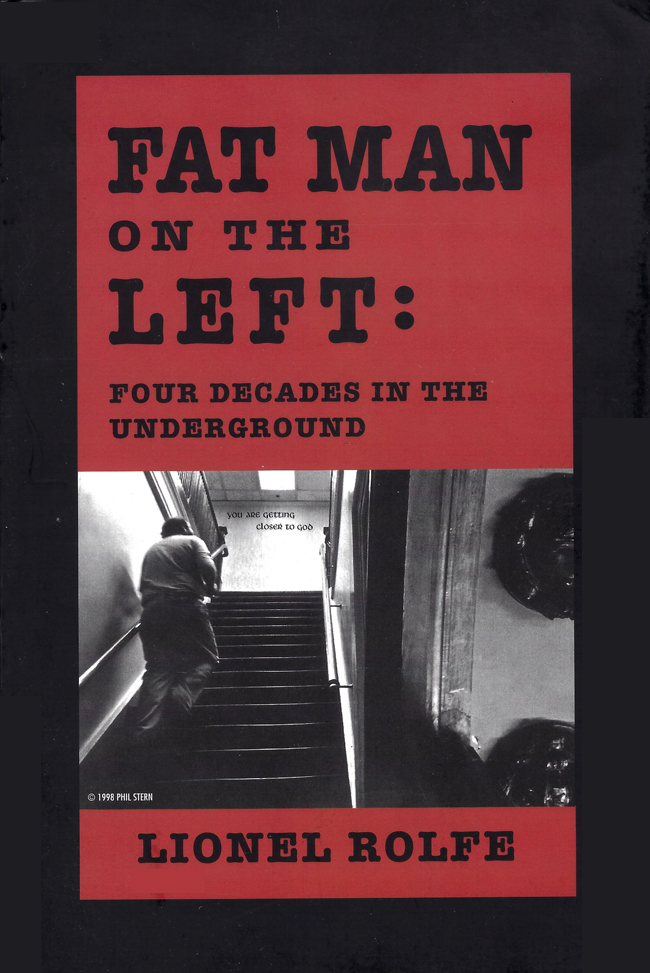
Fat Man on the Left: Four Decades in the Underground (1998, California Classics)
Death and Redemption in London & L.A. (2003, Dead End Street Publications)
The Uncommon Friendship of Yaltah Menuhin and Willa Cather (2004, California Classics)
Presidents & Near Presidents I Have Known (2009, Boryanabooks)
Reflections From Elsewhere (2010, Boryanabooks)
Disputing Rasputin, Despair & Other Matters That Try My Soul (2012, Boryanabooks)
The Misadventures of Ari Mendelsohn: A Mostly True Memoir of California Journalism (2013, Boryanabooks)
The Fat Man Returns: The Elusive Hunt for California Bohemia and Other Matters (2017, Boryanabooks).
Honey on the road to San Francisco with some of the Spanish explorers
NOTES FROM ABOVE GROUND
By Honey van Blossom
 (Honey is a Belgian Marxist former strip-tease artiste)

"Cities of the Golden Gate," Raymond Dabb Yelland, 1893. Most illustrations can be enlarged by clicking on them.
Prologue to the story of the Spanish exploration and settlement of California
Seasonal migrations of animals now extinct in California probably created the roads the native people used before the Spanish land exploration of California. “The heyday of giant mammals in North America was the middle and late Pleistocene, an epoch that started 2.6 million years ago and ended 11,700 years ago, around the time the Earth was thawing out from the Ice Age. The gigantic beasts, which migrated from Asia across a now-vanished land bridge called Beringia, are known as Rancholabrean megafauna, after the famous La Brea tar pits in downtown Los Angeles — the graveyard of thousands of saber-toothed tigers, giant bison and other extinct animals.”[1]
The seasonal migrations of the large mammals may have created the substantial roads used by the indigenous people after their arrival.[2]
Paul S. Martin and Richard G. Klein argue that Paleoindian over-hunting led to the extinction of the megafauna.[3] Others argue that climate change was responsible for mammoth and mastodon extinctions. As the last major glaciation ended around 12,000 years ago, climate warmed too quickly for the megafauna to adapt.

